

About Us
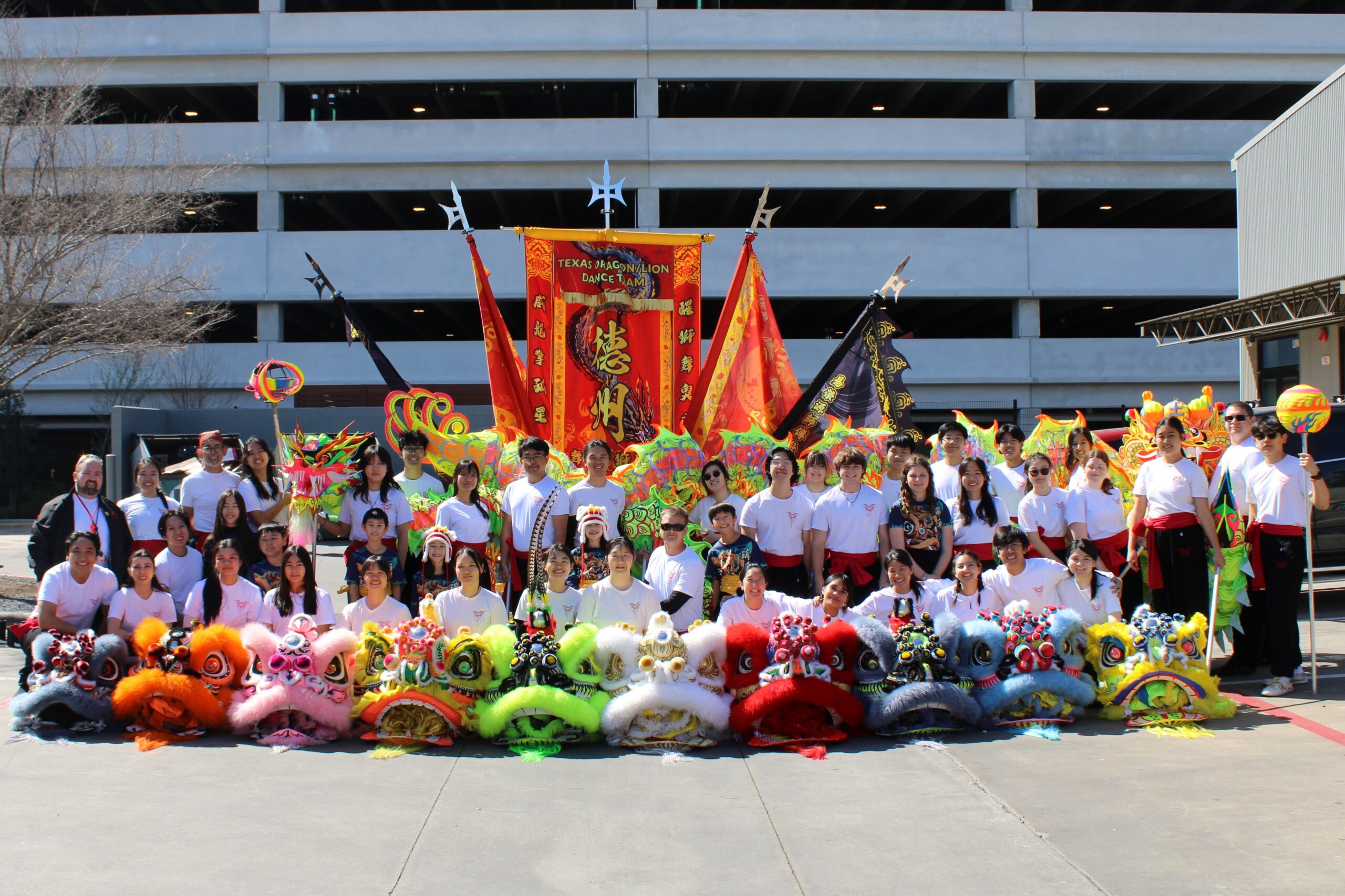
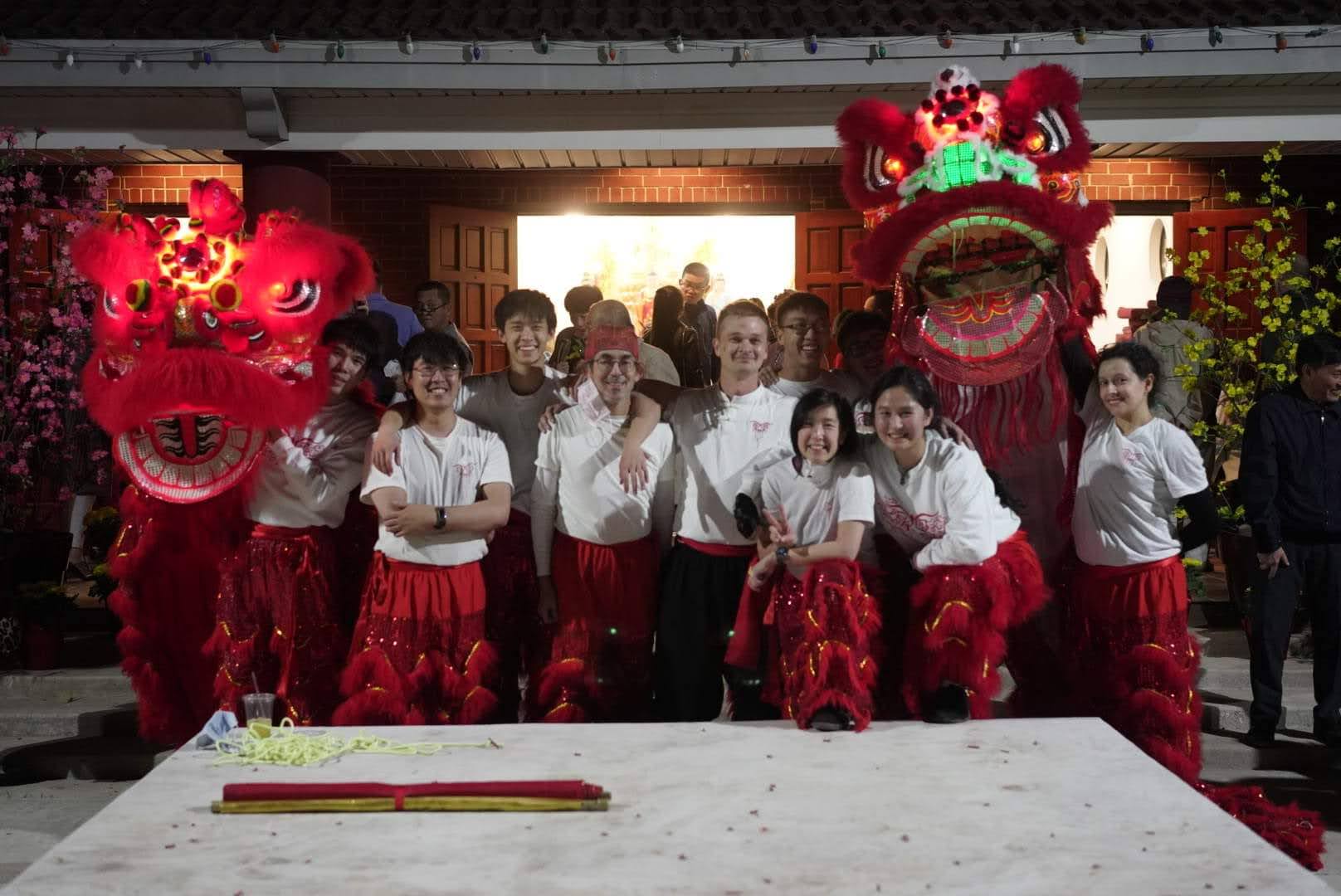
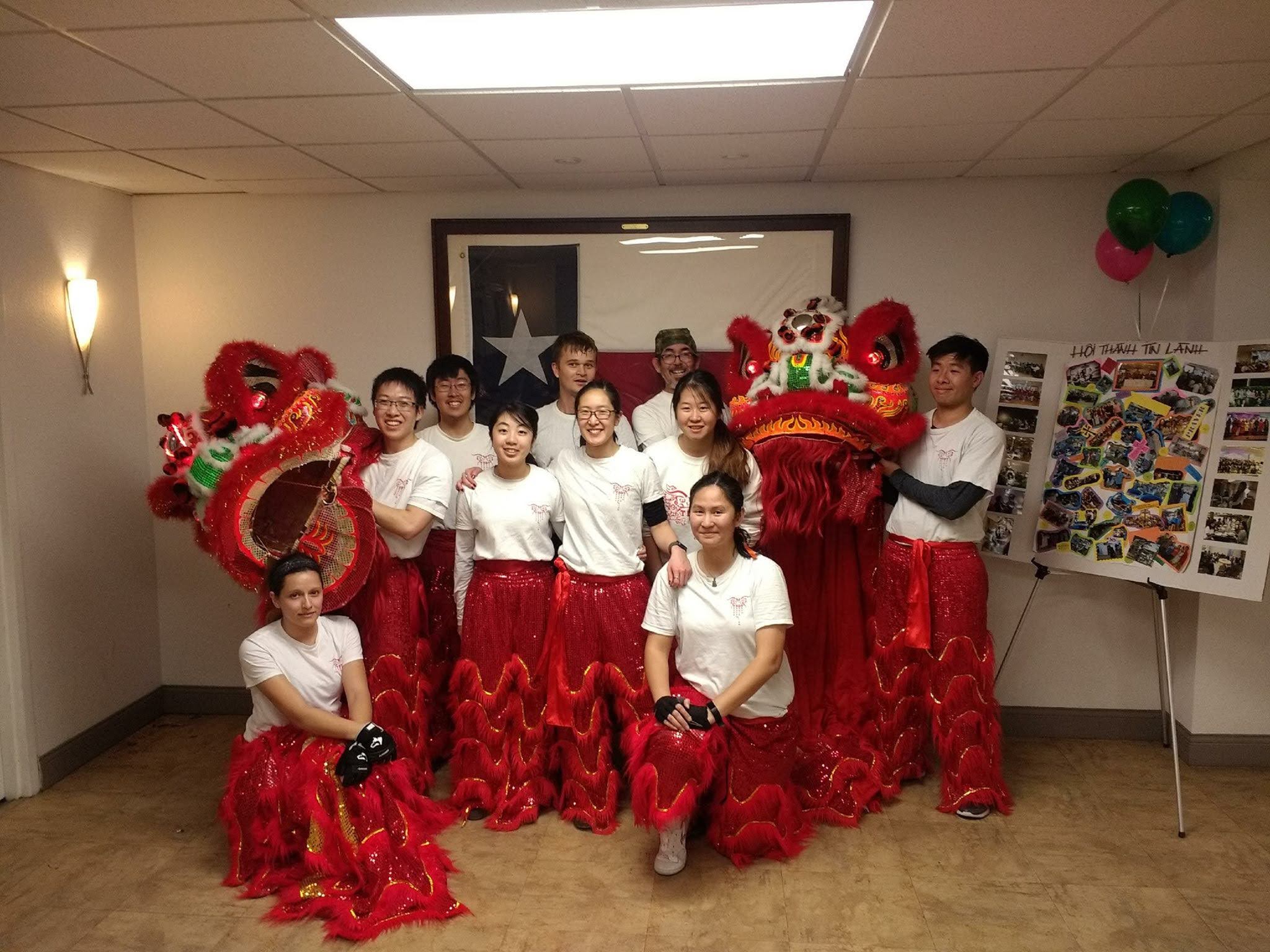
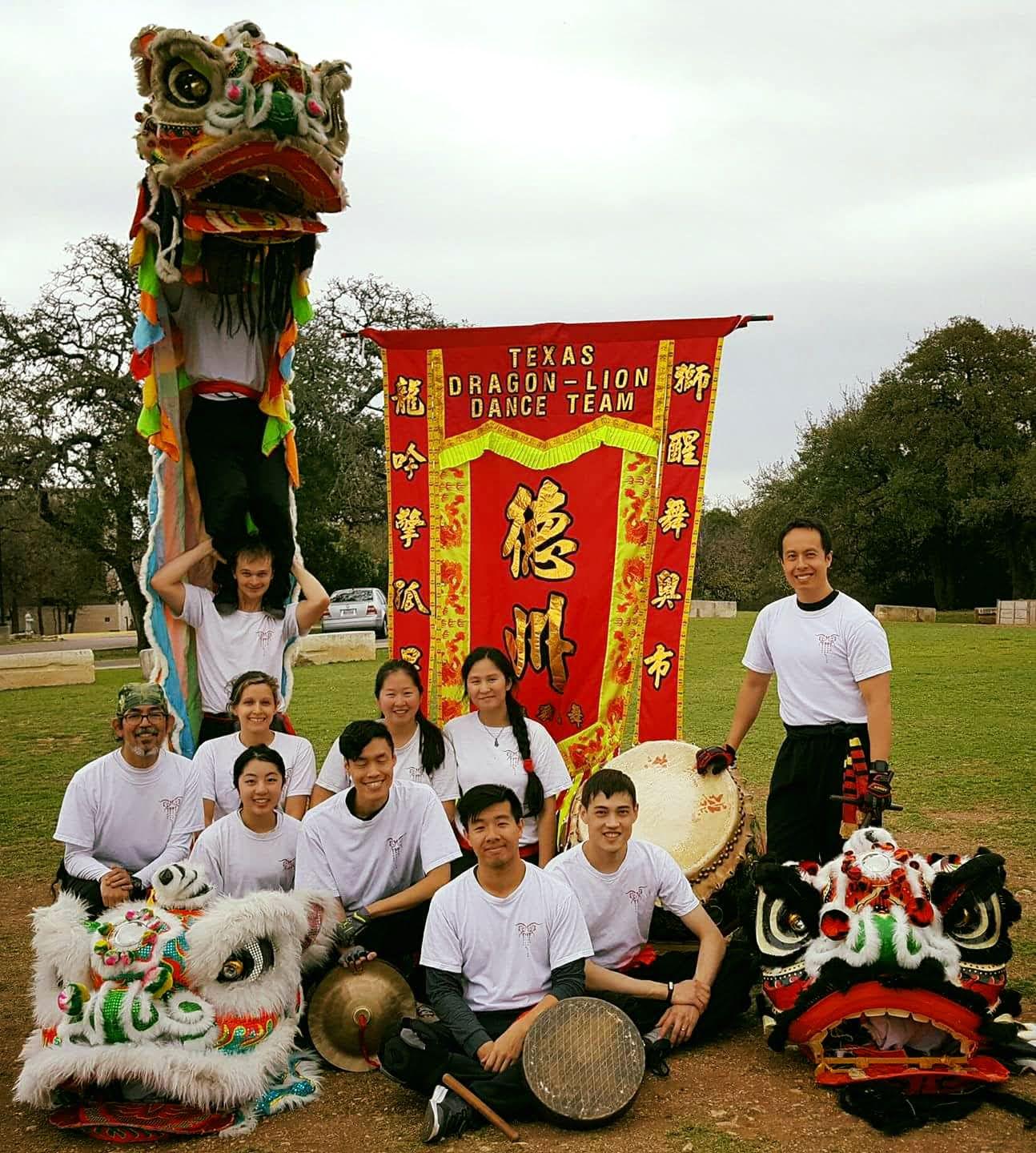
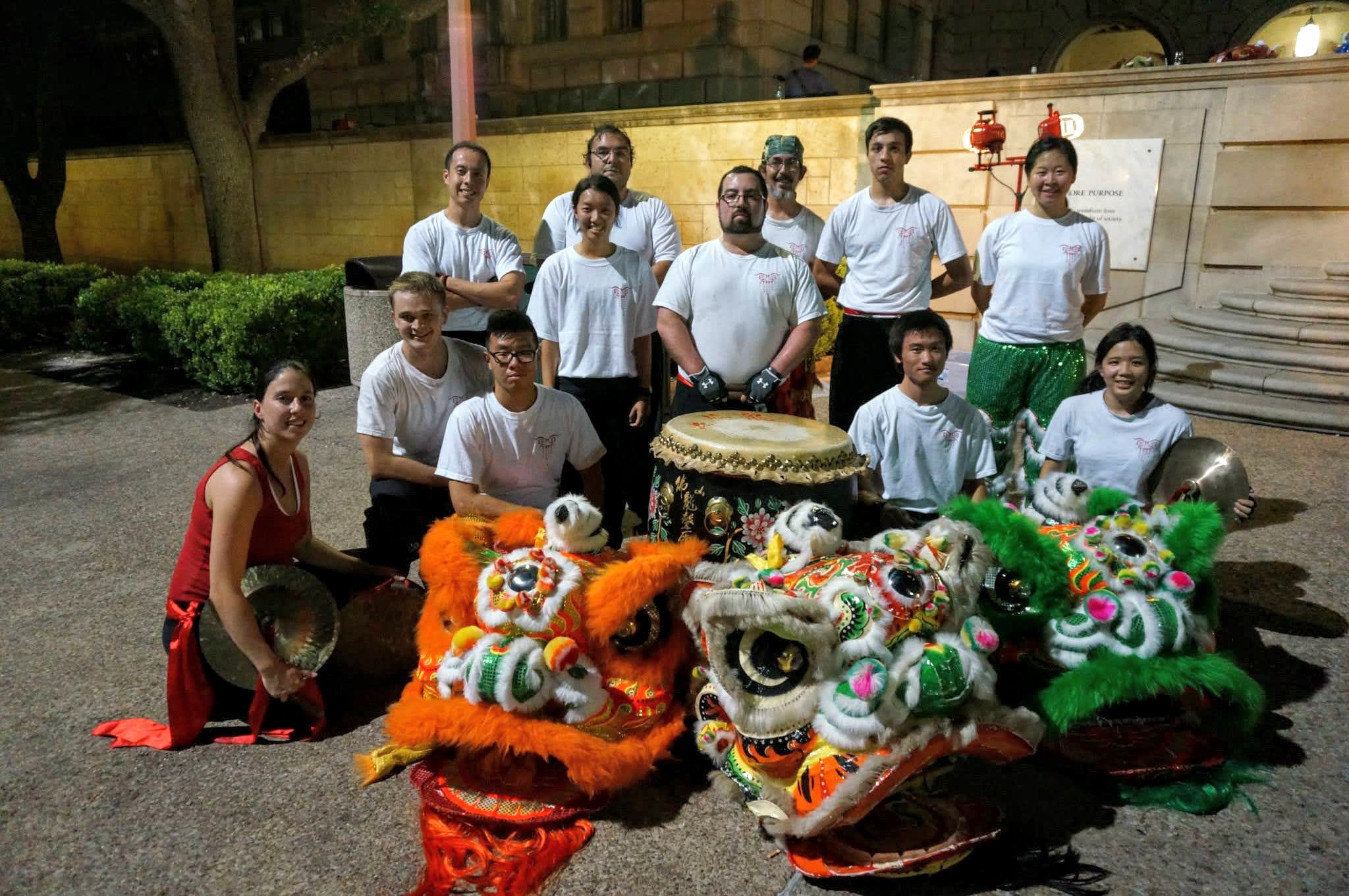
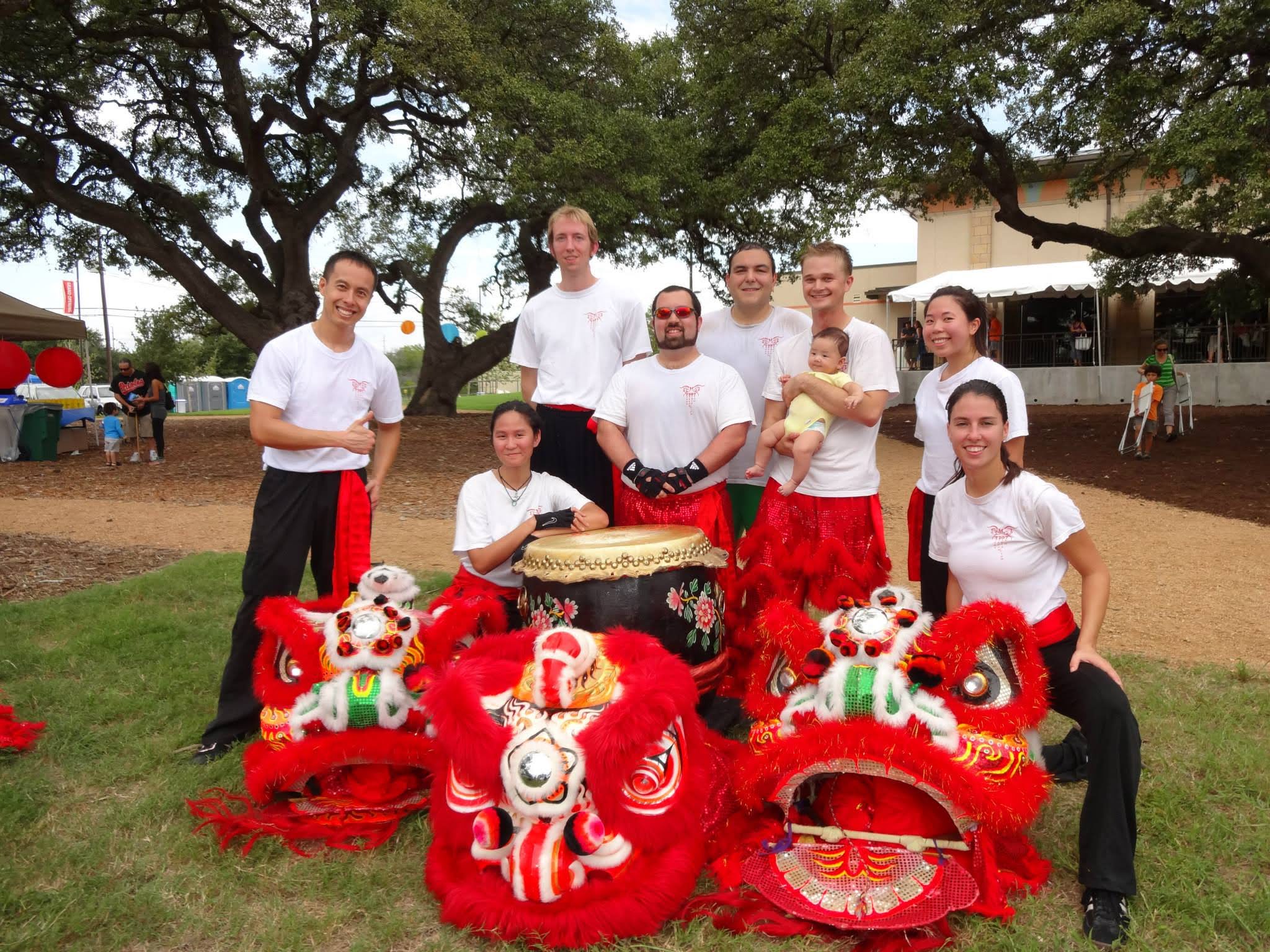
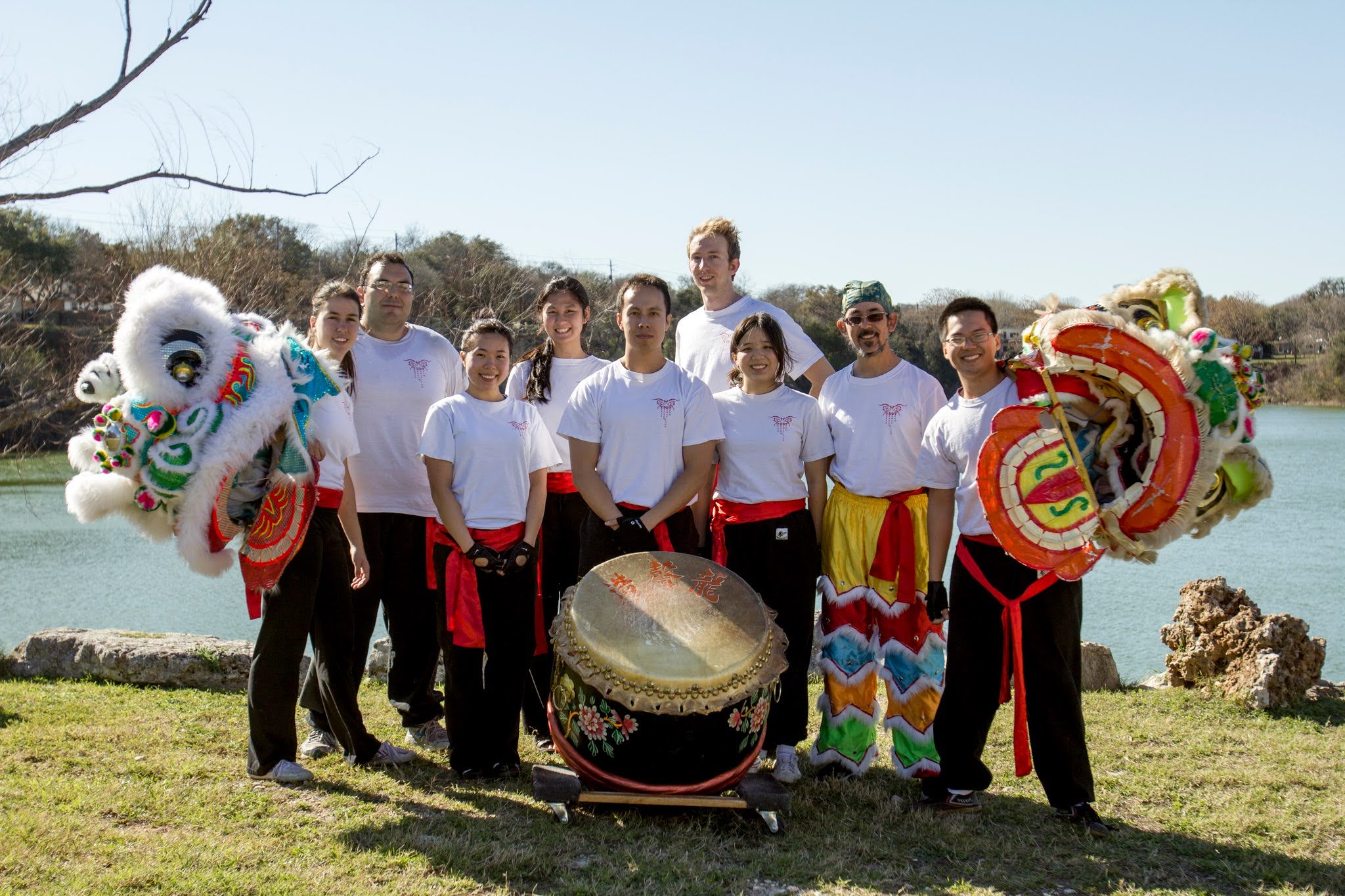
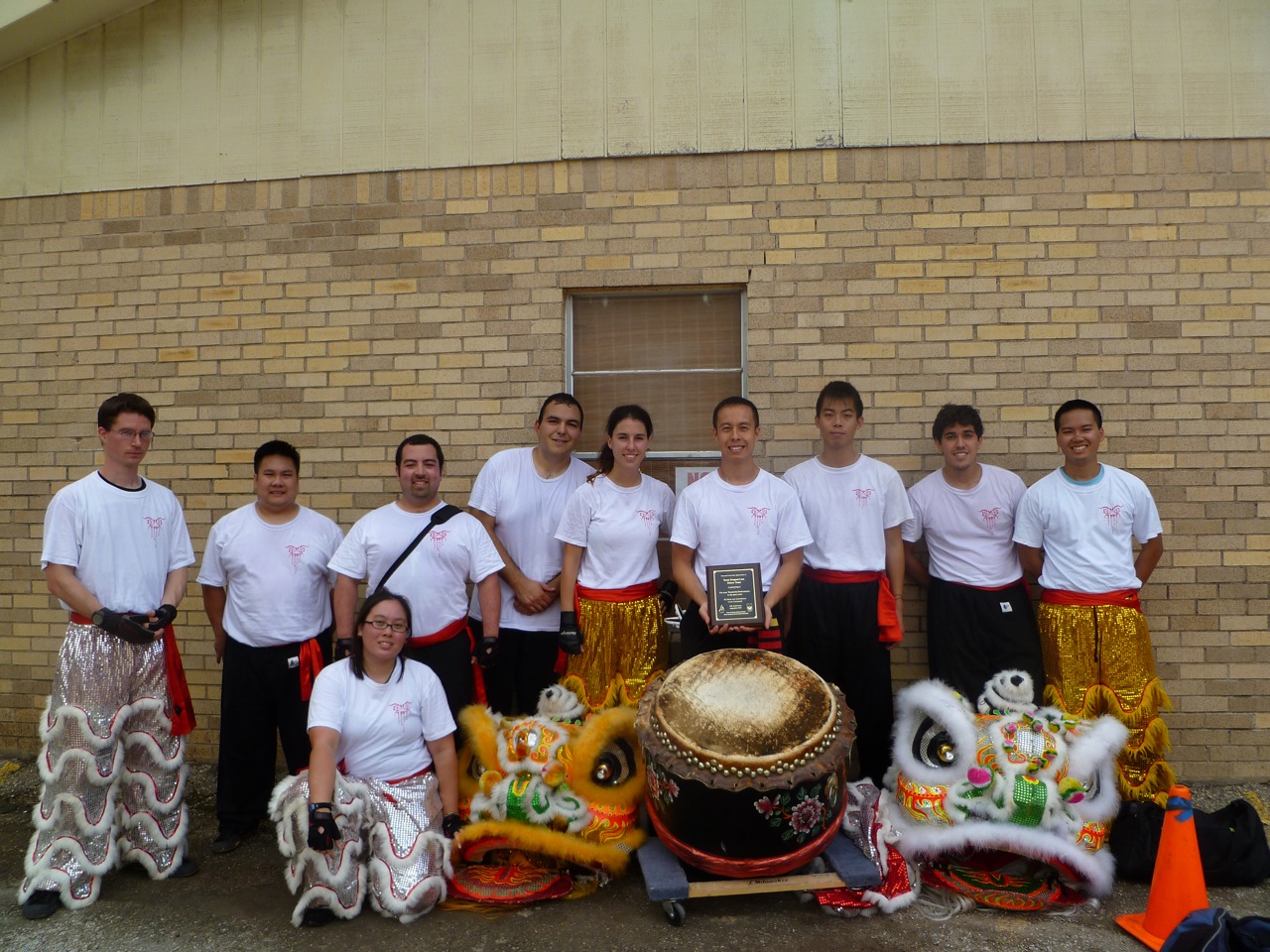
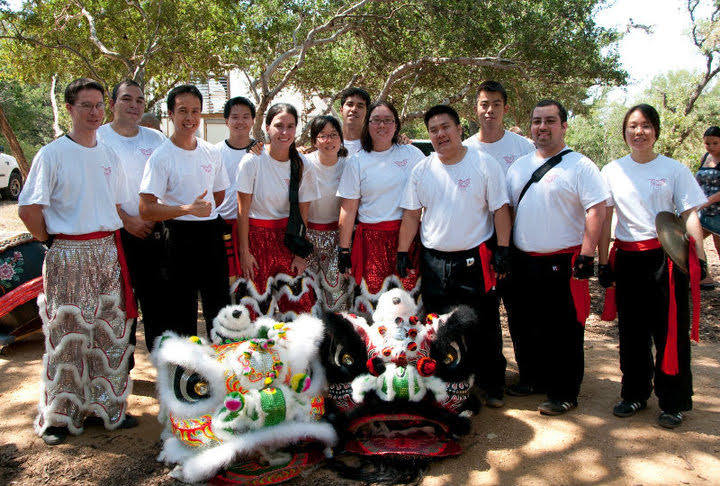
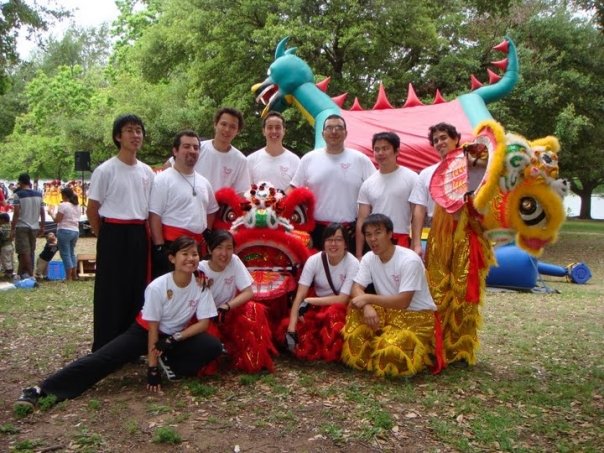
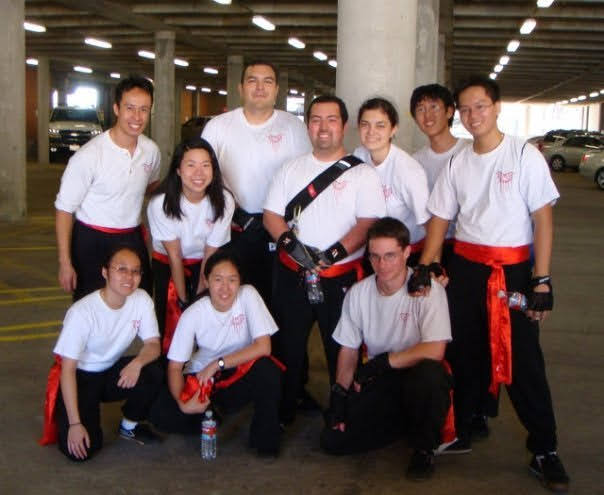
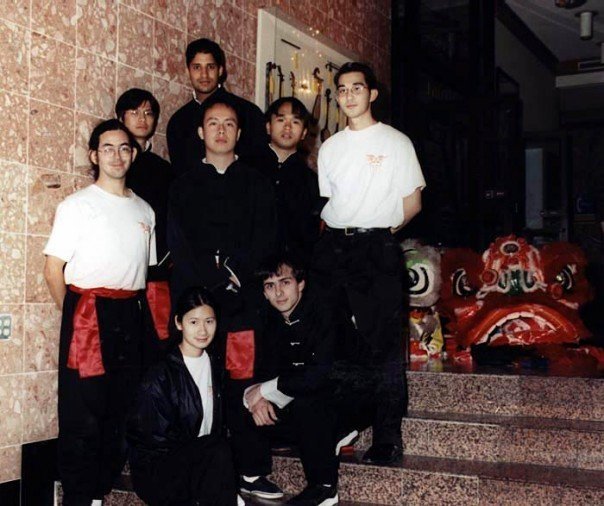
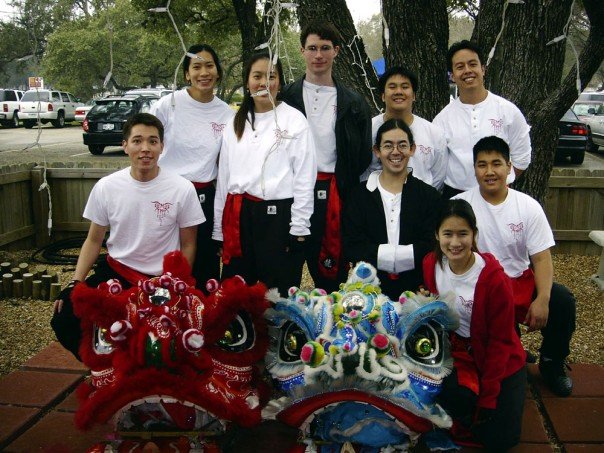
The Texas Dragon/Lion Dance Team (TDDT) was founded as an independent, registered student organization at The University of Texas at Austin in 2000.
Our members’ passion for lion dance extended past their graduation from the University and, as a result, we have grown into the community organization we are today, serving clients throughout Central Texas and beyond.
We are a U.S. 501(c)(3) nonprofit and registered Texas nonprofit corporation. Our student organization at UT Austin is an officially-recognized affiliate chapter.
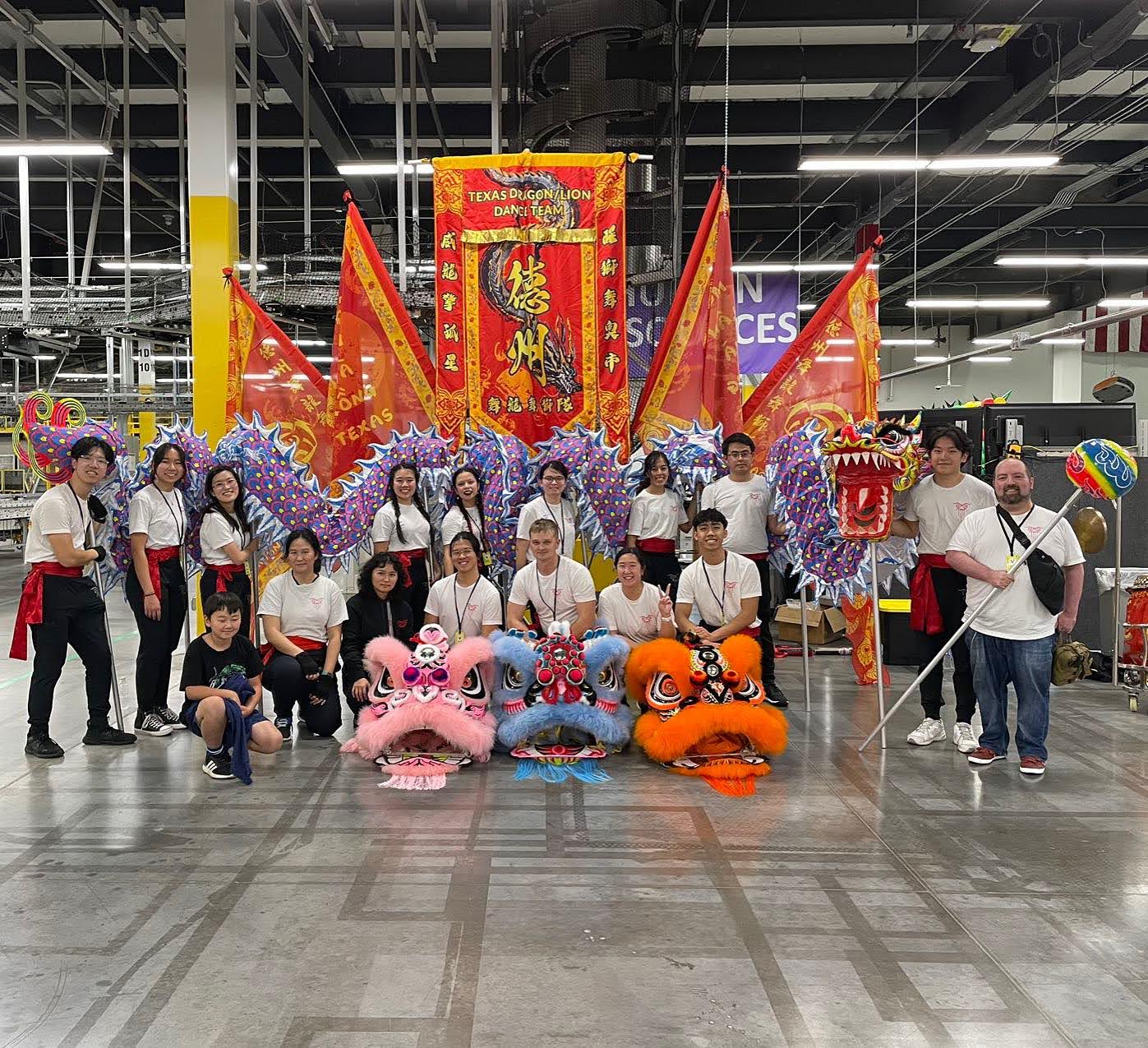
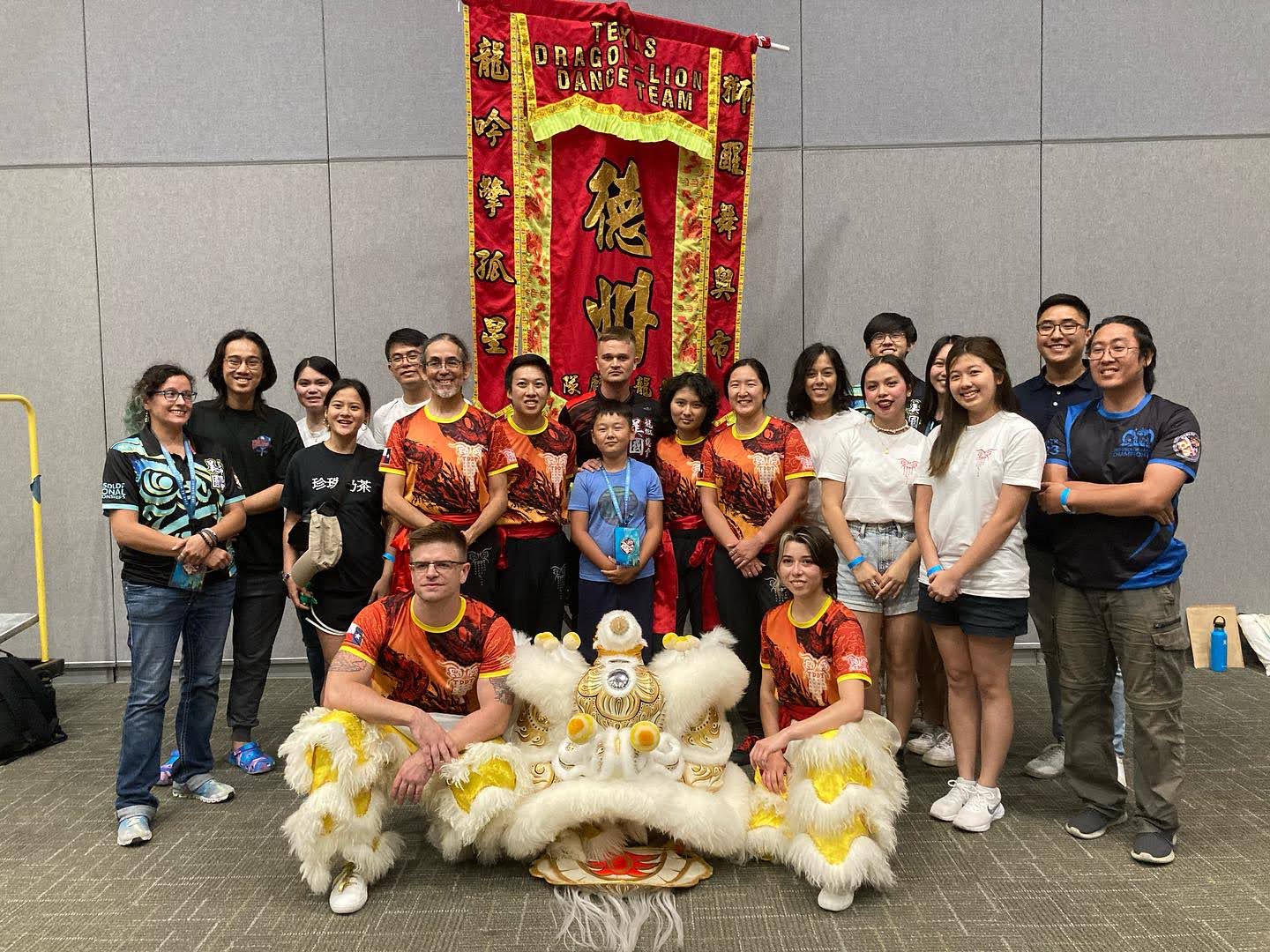
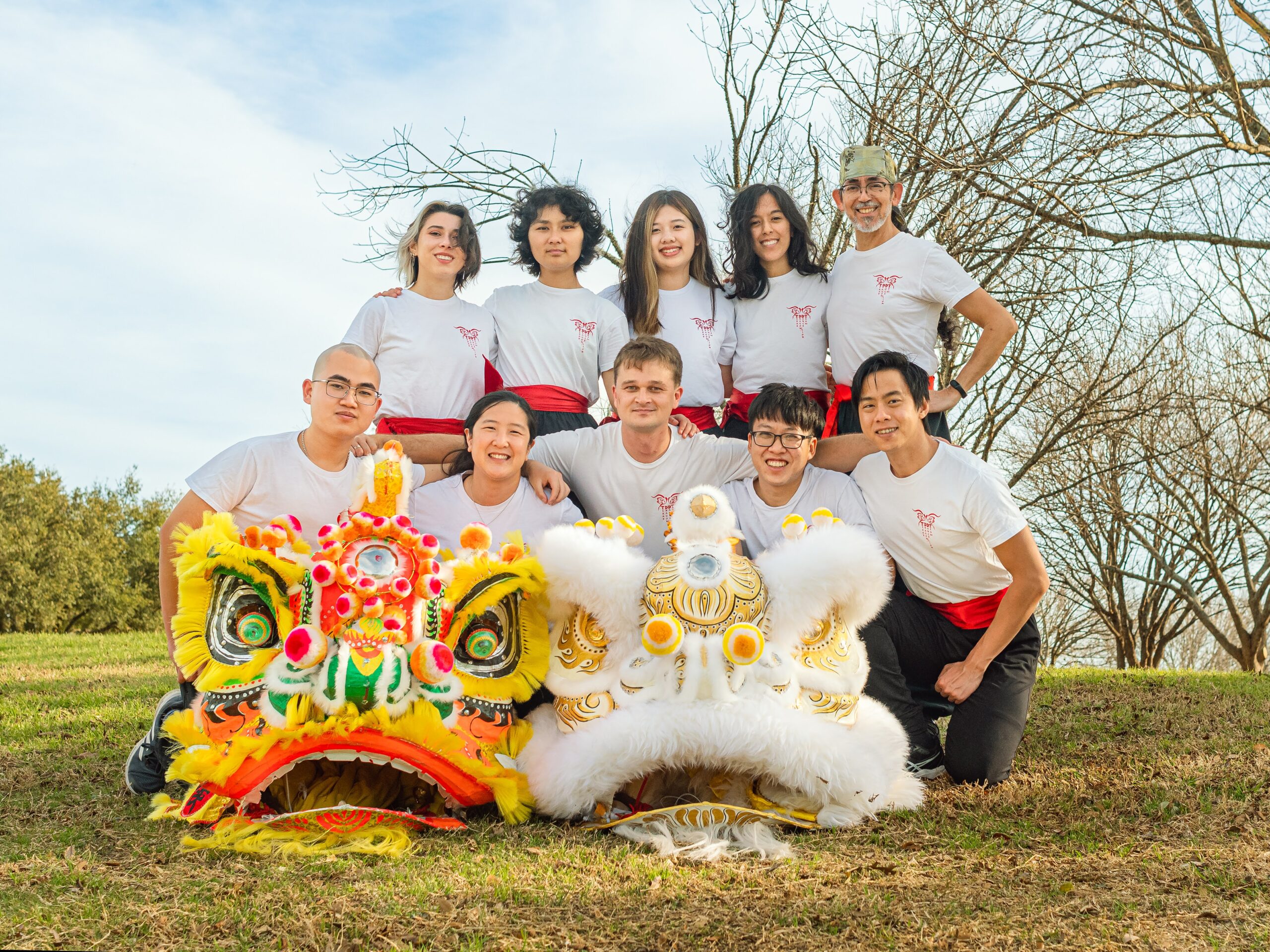
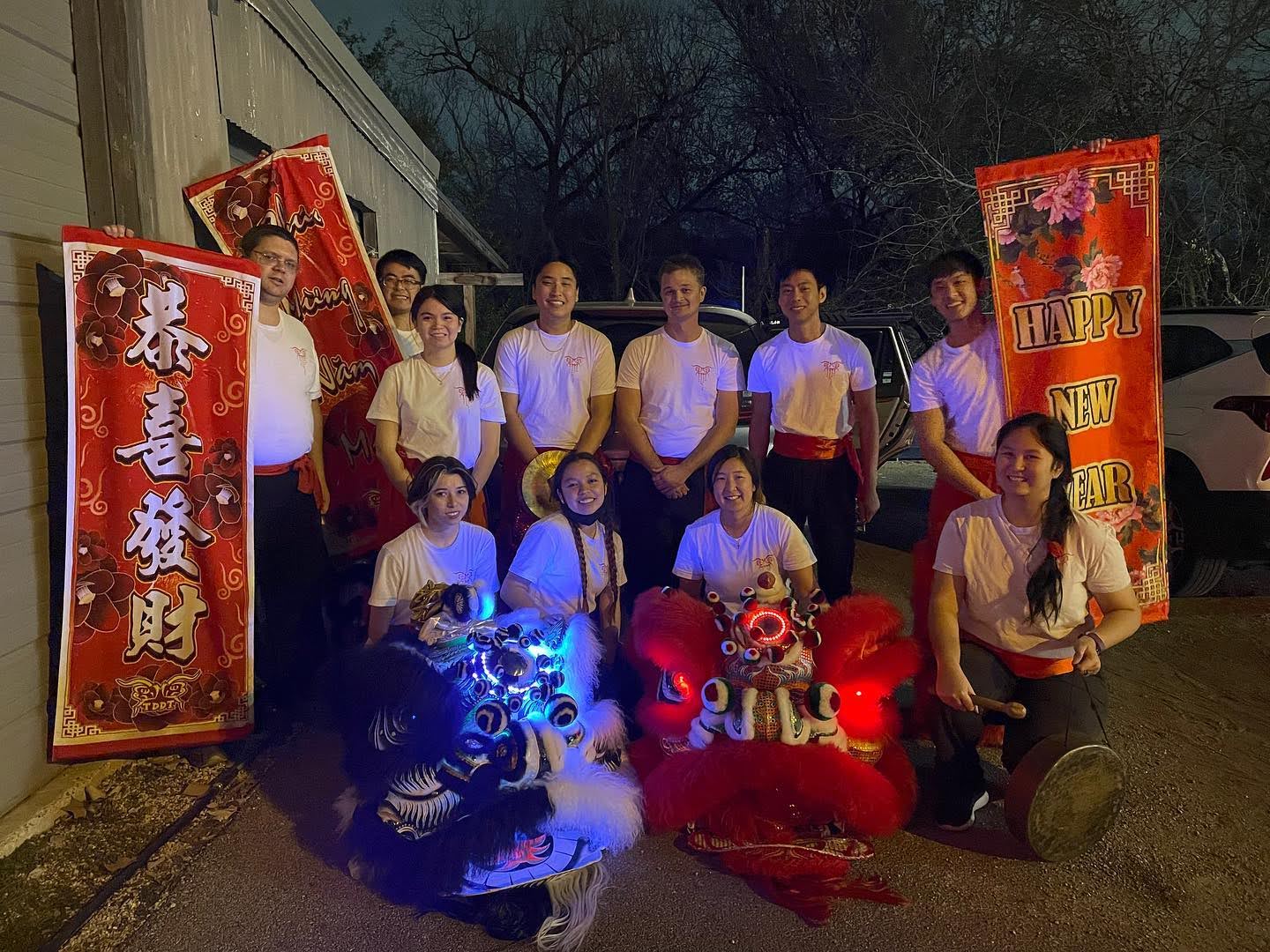
WE WORK WITH
Our Clients
With over 25 years of experience, we have had the opportunity and pleasure to work with many esteemed members of our community including, but not limited to:













































TESTIMONIALS
Our Reviews
LET’S WORK TOGETHER!
Our Offerings
TDDT is the perfect addition to your event. If you’re looking for a captivating performance, then you’ve found the right team.
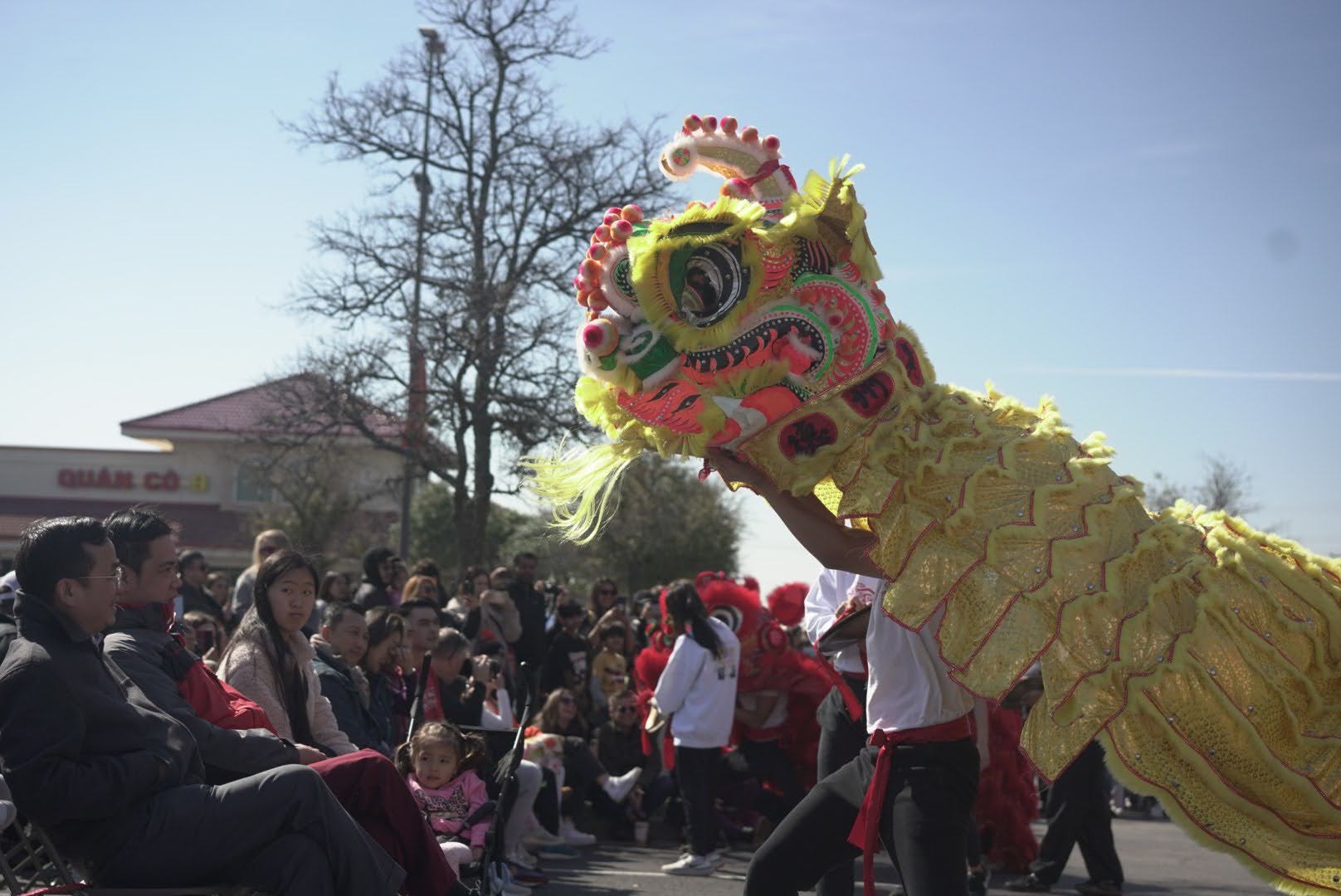
Lion Dance
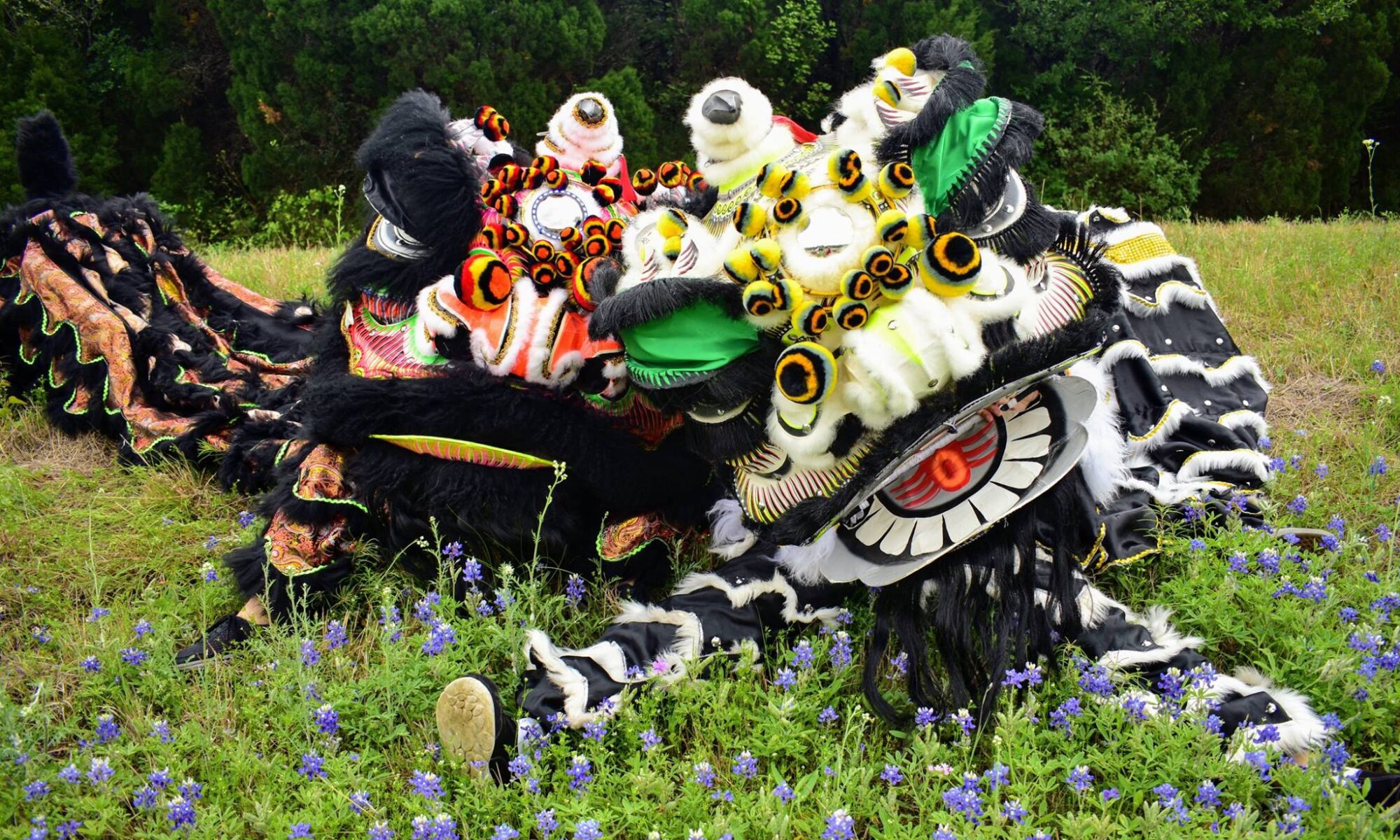
Performed by two dancers per lion and accompanied by drum, gong, and cymbals, lion dance showcases martial arts skill and acrobatic ability. Lion dance is our standard offering.
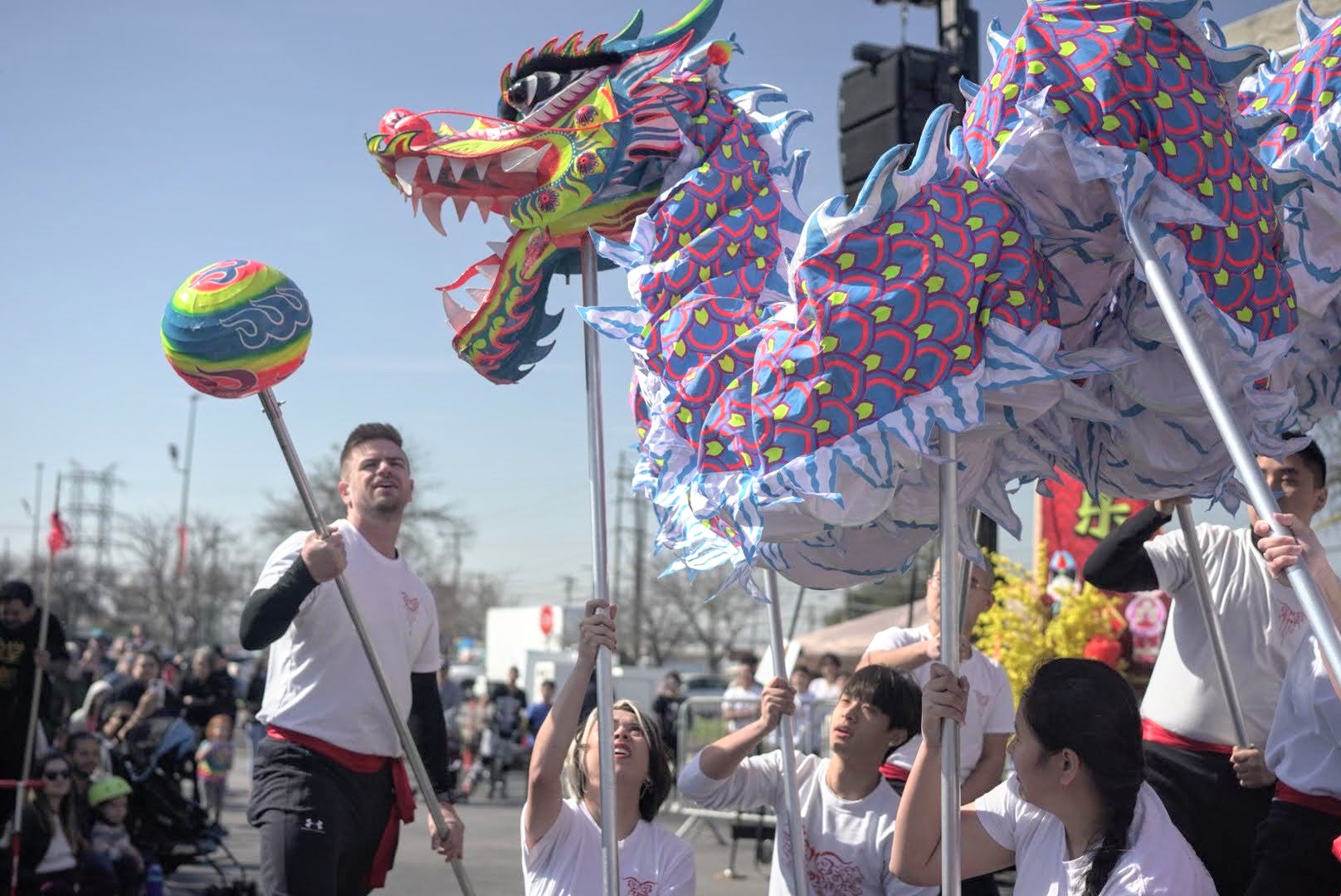
Dragon Dance
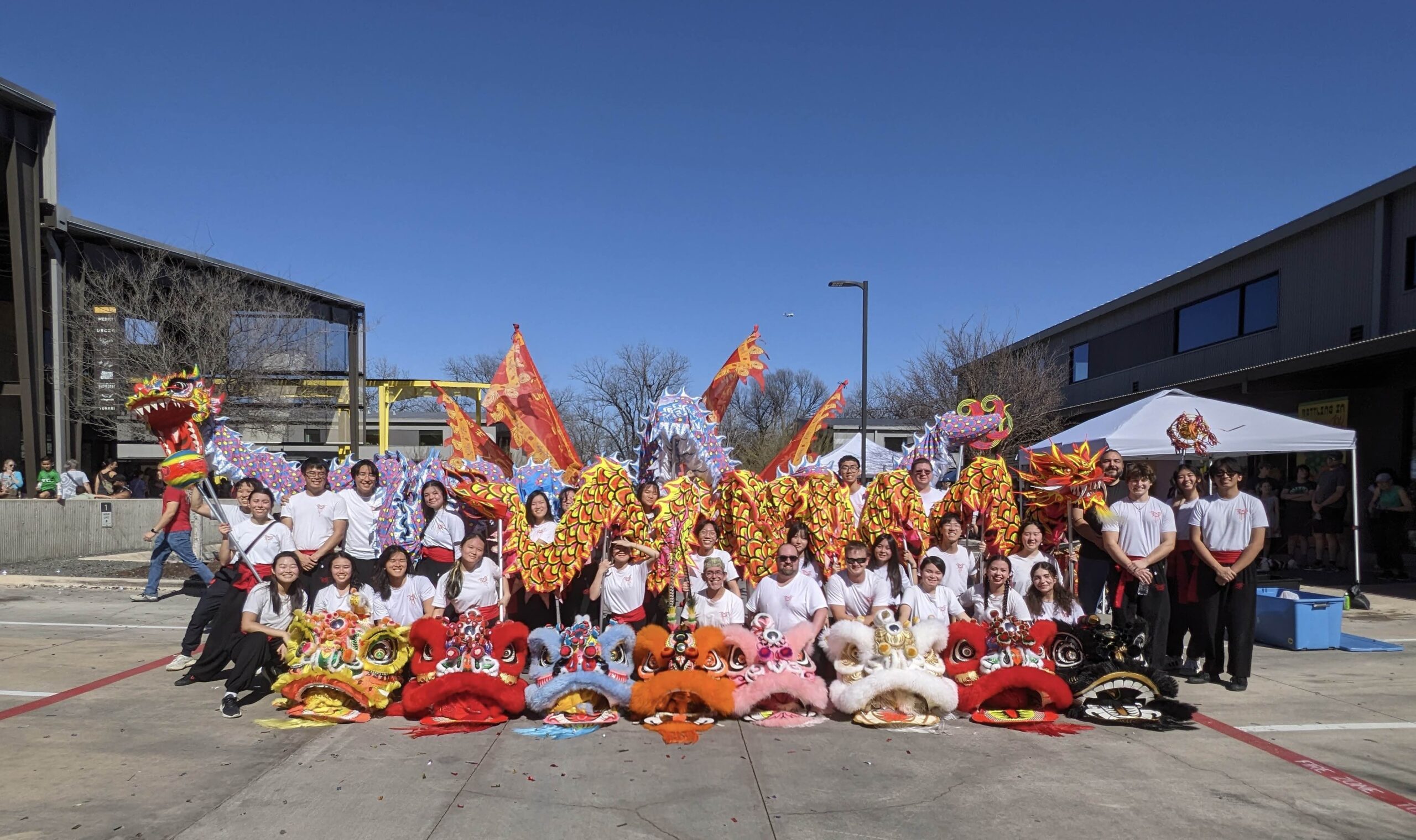
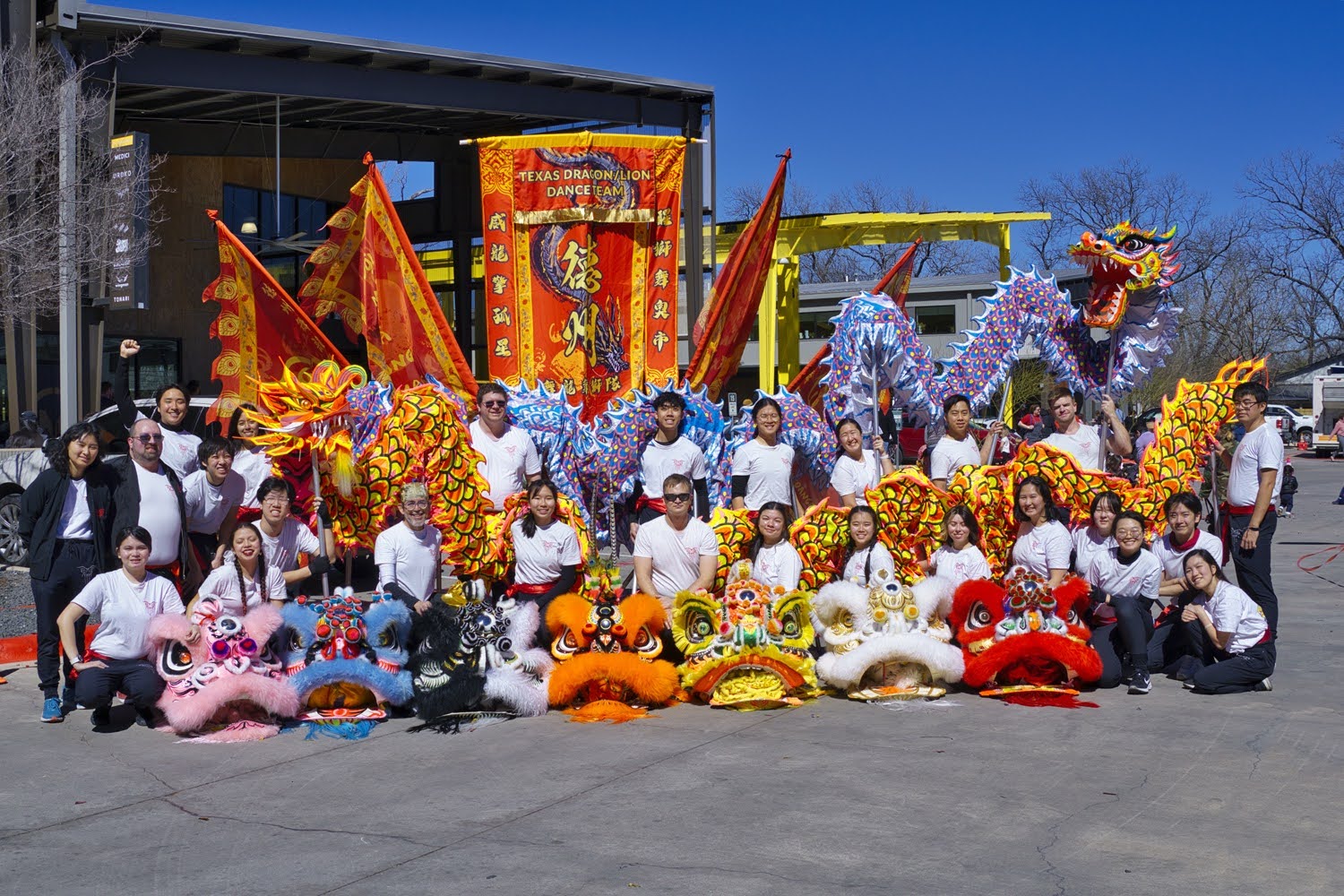
Requiring at least seven performers to bring the dragon to life, dragon dance is a true test of stamina and teamwork.
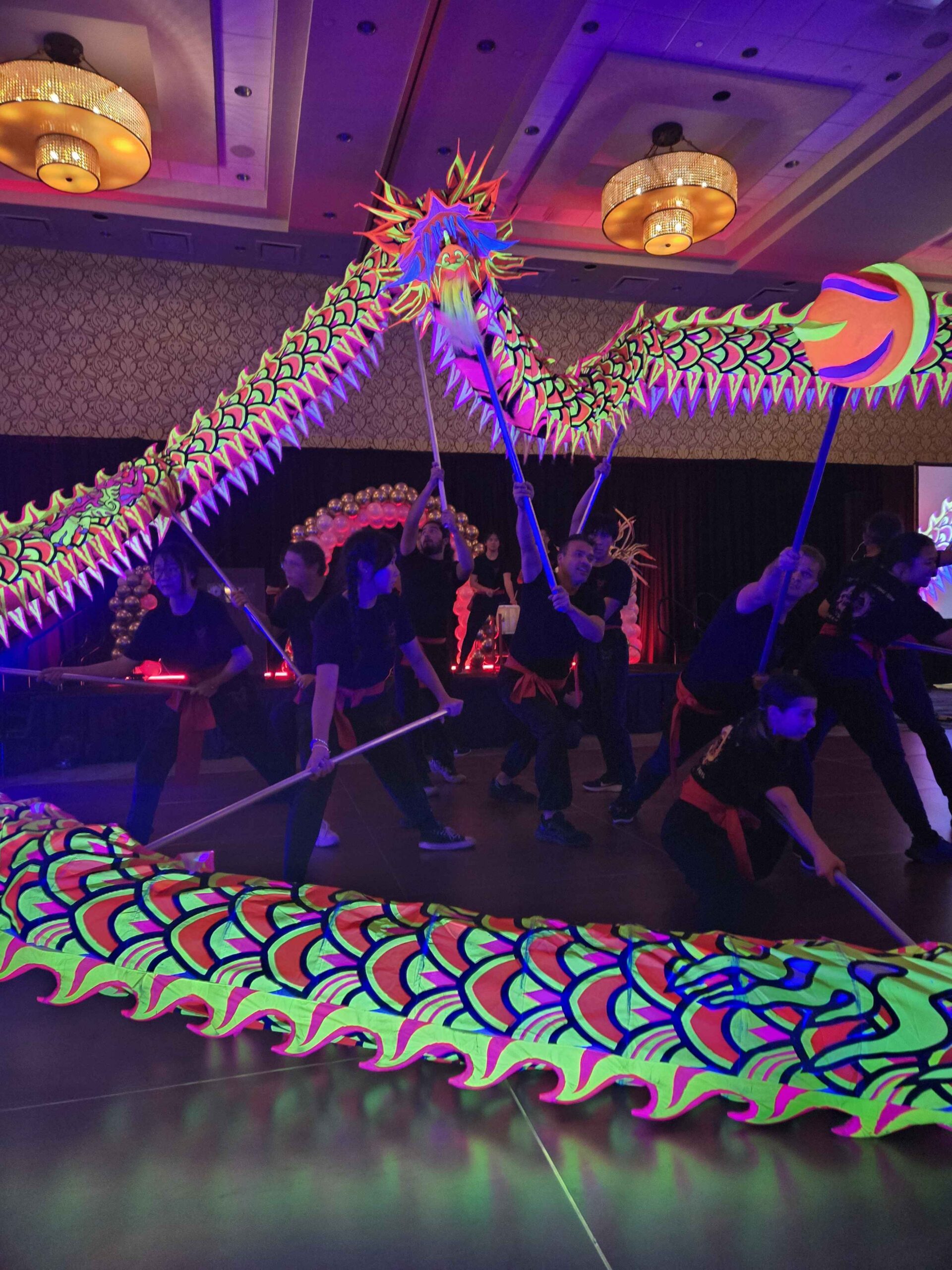
Luminous Dragon
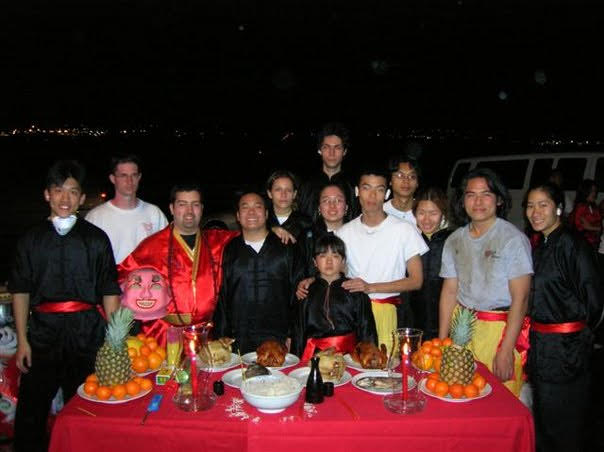
The Luminous Dragon is a one-of-a-kind dragon dance that showcases the dragon’s brilliant illumination in low-light or darkened settings. This performance is distinct and certain to wow crowds!
Key facts about us
There are a million reasons to book TDDT for your event, but here are some numbers to help inform your decision.
2000
The year that the Texas Dragon/Lion Dance Team was founded.
35+
current members of our team.
210+
performance requests received in the past 12 months.
50+
school performances in 2025 with our base fee waived.
321 mi (517 km)
The furthest away our team has performed (Midland, Texas).
60+
years of combined lion dance experience on our board of directors.
80+
team alumni as of January 2026.
10+
varieties of lion available for performances.
ABOUT LION AND DRAGON DANCE
The History: For Children
Long ago, there was a village of farmers who lived peacefully, except for a monster called the Nian (年獸) who would come and break things and eat their food. The villagers were scared of the Nian and didn’t know what to do.
One day, a brave little lion came to the village and found out what was happening. Together with the lion, the villagers decided that they were going to stand up to the Nian. The next time that the Nian showed up, the villagers banged really loudly on their pots and pans to scare away the Nian. The Nian, confused by the noise, looked at the brave little lion and took one glance at the mirror on the lion’s head. The Nian, seeing its own reflection, got scared and ran away never to return.
The villagers, who were very happy to have chased the Nian away, decided that they would celebrate this wonderful occasion every year. They threw a festival with people making lots of loud noise, dressing up in big puppets that looked like the lion who helped them, and eating lots of food.
The History: For Parents and Other Adults
As with all cultural heritage which dates back to antiquity, the origins of these practices predate written history and are the stuff of legends. Neither lion dance nor dragon dance is a monolith. Like all living traditions, they evolve over time — subject to change, reinterpretation, and improvement, as well as the occasional misunderstanding or misinterpretation. As a result, there is no single ‘correct’ origin story, nor any single ‘correct’ way to perform lion or dragon dance. Every style and every school may have their own tradition, each tradition is equally valid, and we respect all sincerely held traditions.
Dragons or dragon-like depictions in China can be dated back as far as the Neolithic period. No later than China’s Classical period dragons became strongly associated with water and weather. In premodern times, many Chinese villages had temples dedicated to their local “dragon king” to whom they would appeal for rain (in times of drought) or the cessation of rain (in times of flooding). Dragon dance developed over the centuries resulting in a wide variety of dances, props, and customs.
Visually, the many styles of dragon dance will likely appear similar to the untrained eye. The most obvious ways in which various styles distinguish themselves is in the spectacle. This can be epitomized by the impressive Tai Hang Fire Dragon Dance (火龍), Singapore’s Luminous Dragon (夜光龍), and the Big Golden Dragon (大金龍). There are also many regional variations such as the Straw Dragon Dance of rural Shanghai’s Songjiang District.
While variations of lion dance can be traced back as far as dragon dance, the lion dance as we know it today probably has its origins in the Song Dynasty where martial arts were incorporated into the dance and the lion head changed from wood to papier-mâché. Lion dance today is subject to significant regional variation and styles of lion dance can be quite dissimilar from country to country, region to region, and even from city to city.
Due to its extensive history and prodigious geographical spread, there are dozens of stories explaining the origin of lion dance. One major category of myth involves the Nian beast (年獸) attacking villages. In some versions of the story the villagers create their own lion prop to scare away the Nian. In others, a mythical lion creature protects the village from the Nian. In other variants, it’s the lion terrorizing the village until it is tamed by a passing monk. Another category of myth involves the Emperor of China being gifted lions by foreign emissaries and, upon their passing, commands his artists to create puppet replicas of the lions. In other variants, the Emperor dreams of the lion creature and, interpreting it as a good omen, commands his artists to re-create the creature of his dreams. In yet another variant, the Emperor and his retinue become lost in a forest and the mythical lion appears and leads them to a local temple and safety.
The styles of lion dance most familiar to Americans will trace their roots to Southern China, Hong Kong, Malaysia, Singapore, and Taiwan. In Texas, due to the large Vietnamese population, there is also a proliferation of lion dance (múa lân) with Vietnamese origins. As with dragon dance, there are many variations as local cultures and traditions leave their imprints on their unique variants of the lion dance.
More information can be found on the Wikipedia articles for lion dance and dragon dance.
What is the difference between a dragon and a lion?
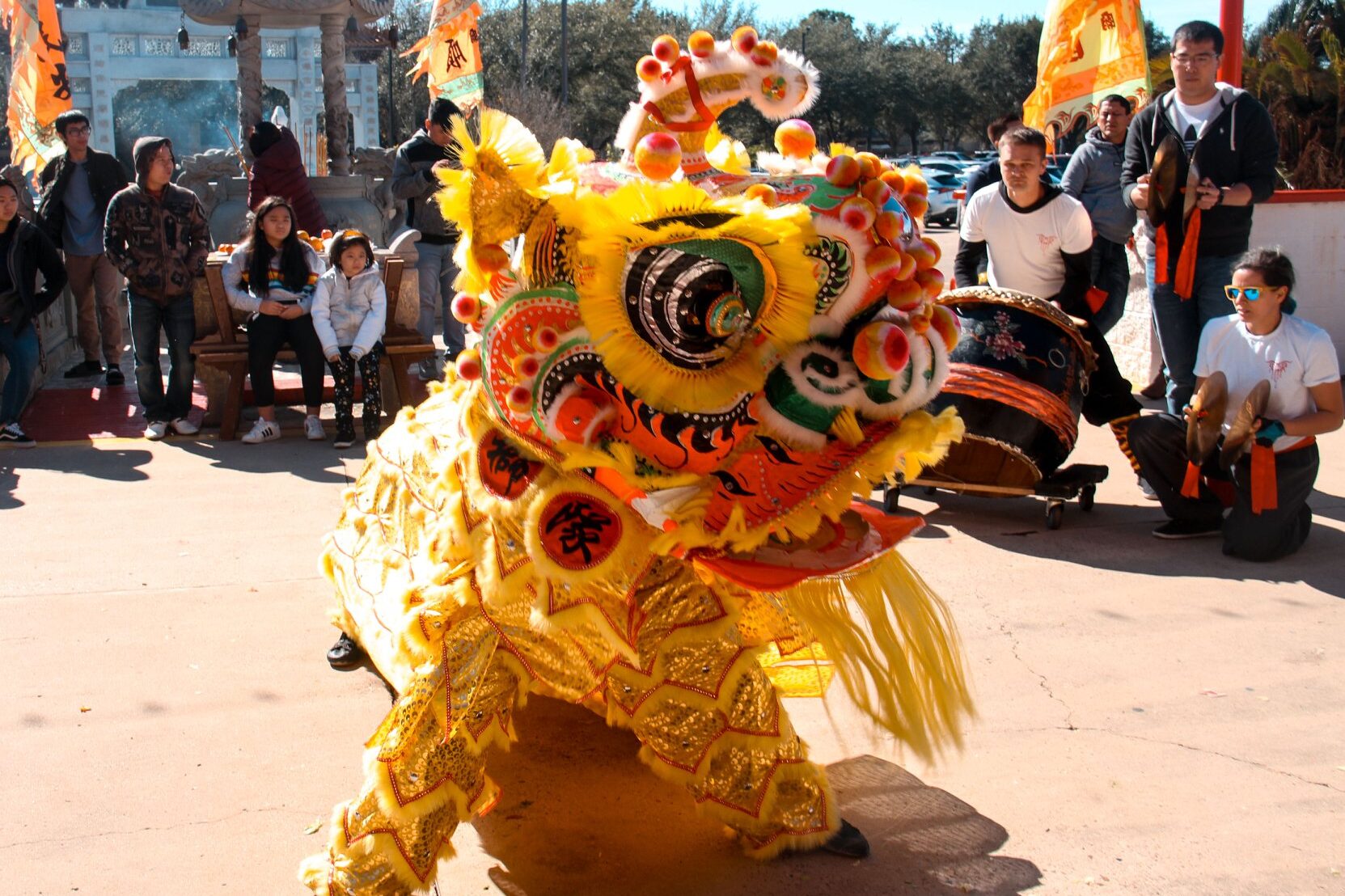
Lion
- Two performers (typically).
- Eats lettuce, oranges, red envelopes, etc.
- Displays martial and acrobatic skills.
- Many varieties (e.g., Fut San 佛山, Hok San 鶴山)
More information is available on Wikipedia’s lion dance article.
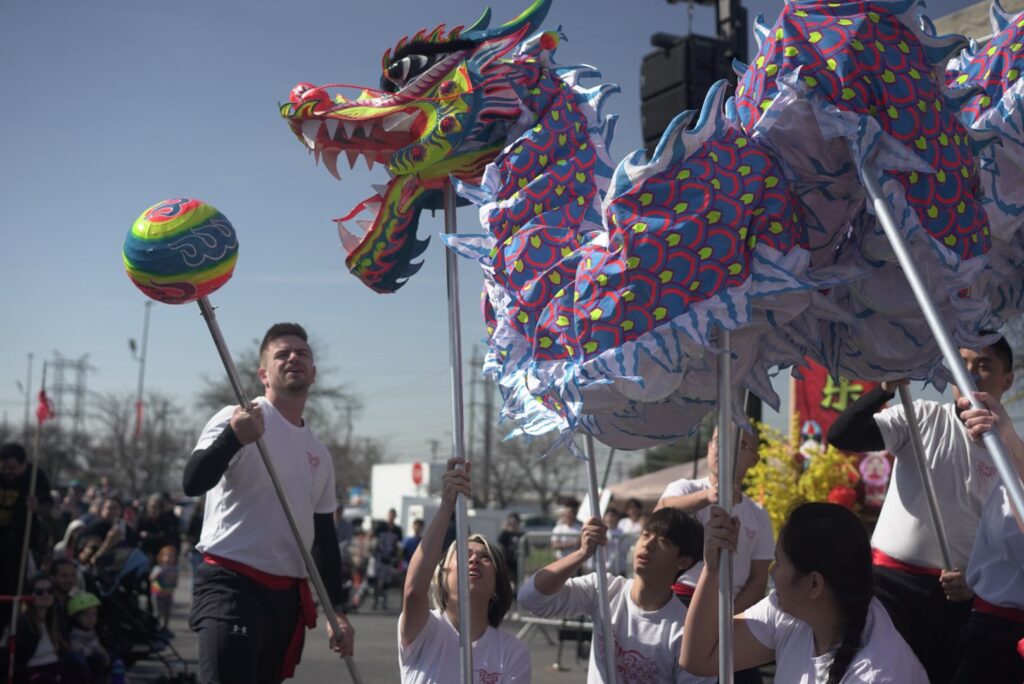
Dragon
- At least seven performers.
- Chases a pearl.
- Displays stamina and team coordination.
- Varying lengths (up to 330+ ft)
More information is available on Wikipedia’s dragon dance article.
Questions?
We have a ton of information on our web site but if you happen to have a question we haven’t answered, we’d be happy to hear from you!